Feeling a bit confused by all the different names for worm poop in gardening? You’re not alone! Many gardeners find themselves scratching their heads when they see vermicompost labelled as worm castings, black gold, or worm humus on different product packaging.
We’ve used these rich soil boosters in our gardens for years and have sorted out all the naming muddle for you. Our handy guide will explain the various names for this brilliant garden helper and show you exactly why it matters for your plants.
Have a read and you’ll soon become a proper vermicompost expert!
What is Vermicompost?
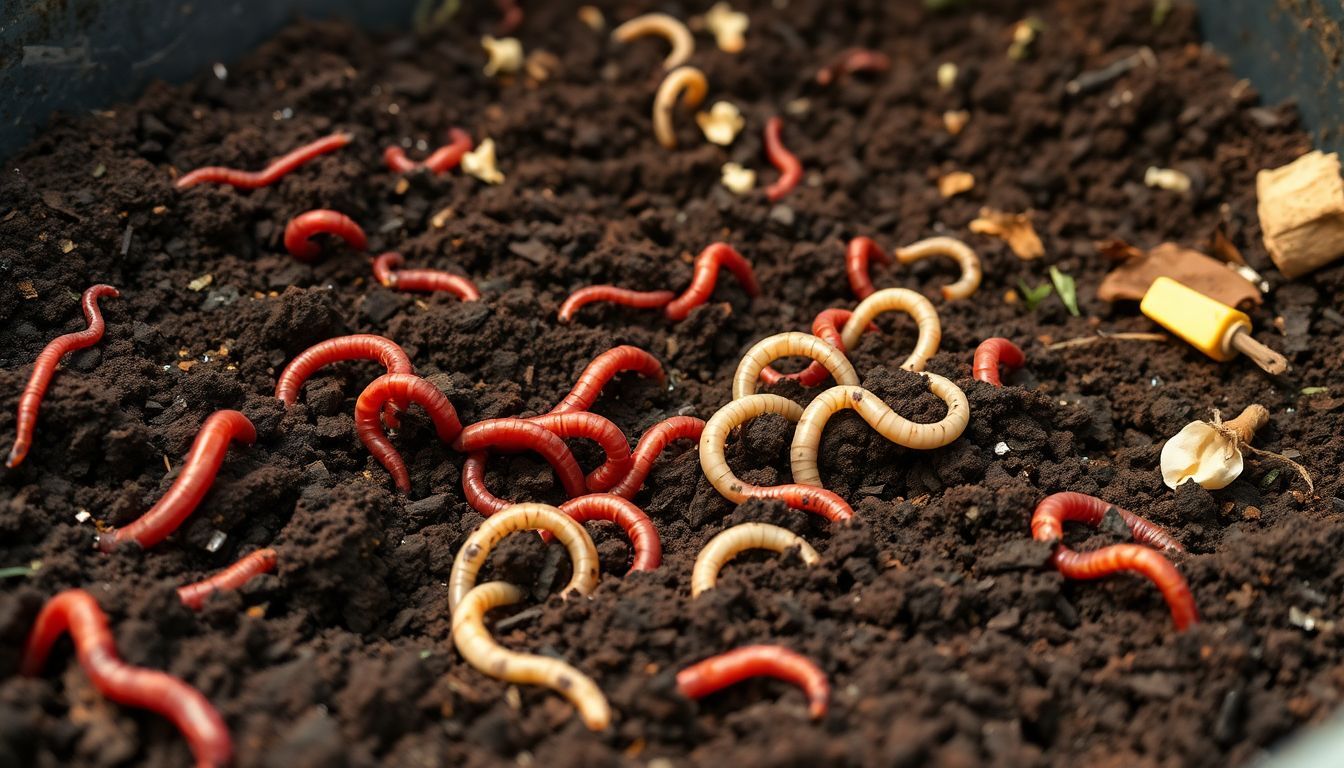
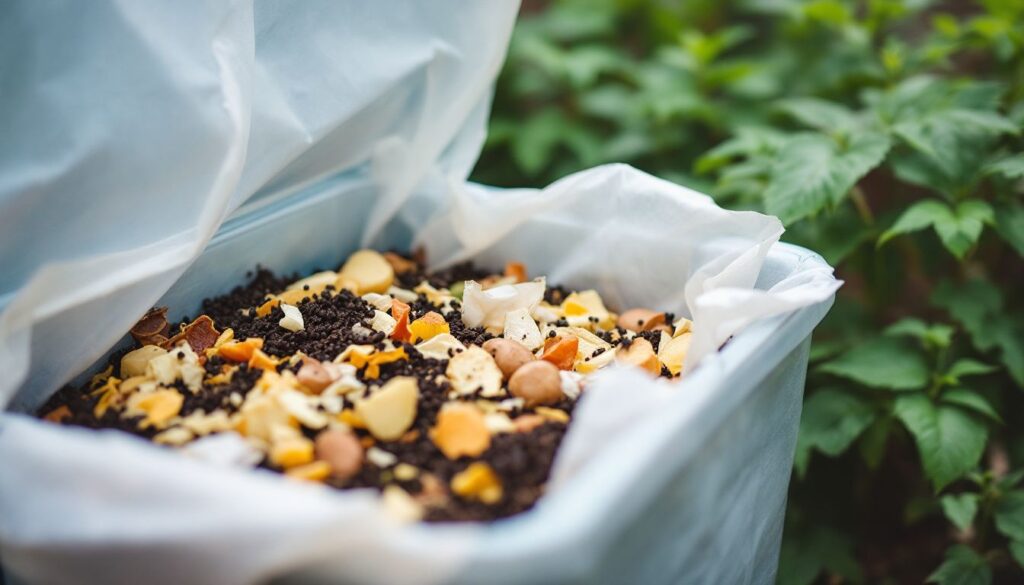
Vermicompost is a special type of compost made by worms. We use specific worms like red wigglers (_Eisenia fetida_) and white worms to break down organic waste. This process turns kitchen scraps and garden waste into rich, dark soil that plants love.
The worms eat the waste and produce worm castings, also called vermicast. These castings form the main part of vermicompost.
Vermicompost is nature’s way of recycling – turning waste into wonder through the humble earthworm.
Our gardens thrive with vermicompost because it contains water-soluble nutrients that feed plants directly. The entire system works as both an organic fertiliser and soil conditioner.
Many farmers use this method to improve their soil health without chemicals. The science behind this process is called vermiculture, which means breeding worms for composting. Some people even use worms to clean wastewater through a method called vermifiltration.
Common Terms for Vermicompost
Vermicompost has several names in organic gardening. These terms typically reflect the product’s nature or its regional popularity.
Worm Castings
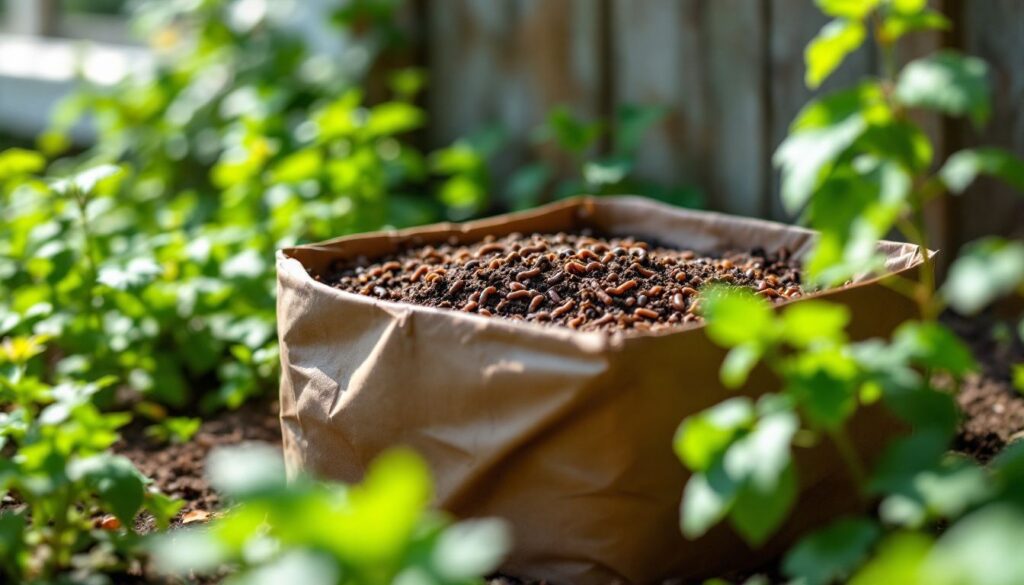
Worm castings stand as the most common term for vermicompost in gardening circles. We call them the nutrient-rich droppings that earthworms produce after they digest organic matter.
These small, dark pellets contain vital nutrients like nitrogen and phosphorus that plants need to grow strong. The castings also hold special enzymes that help enrich soil naturally.
Many gardeners prize these tiny pellets for their ability to boost plant growth without harsh chemicals.
Our gardens benefit greatly from these natural soil helpers. Worm castings improve how soil holds water and make nutrients more available to plants. The organic matter in these castings works as a perfect soil amendment for all types of plants.
They add beneficial microbes to the soil that fight harmful bugs and disease. Earthworm castings truly earn their place as a top organic gardening supplement for anyone wanting healthier plants.
Vermicast
Vermicast serves as another common term for worm castings in organic gardening. We consider this natural product a top-tier soil amendment due to its rich nutrient content. Vermicast contains valuable microbial life that helps improve both soil structure and plant growth.
Many gardeners prize this organic matter for its ability to boost plant health without harsh chemicals.
Vermicast is nature’s perfect plant food – created by worms, treasured by gardeners.
The texture of vermicast feels like fine coffee grounds and smells earthy. It works as an excellent organic fertilizer that plants respond to quickly. Our gardens benefit from the balanced nutrients and beneficial microorganisms found in vermicast.
This natural compost helps create the ideal growing environment for most plants.
Worm Manure
Moving from vermicast, we now explore worm manure. Worm manure is the waste product that earthworms leave behind. We call it a top choice for garden fertiliser because it’s packed with nutrients.
This natural waste comes straight from worms as part of the vermicomposting process.
We can apply worm manure directly to our plants without any extra steps. Many gardeners prize this organic option for both home gardens and larger farms. The manure helps plants grow stronger and healthier without harsh chemicals.
Farmers who use worm manure often report better crop yields and soil health.
Worm Humus
Worm humus stands as another popular term for the rich organic material that earthworms produce. We call it this because it resembles dark, crumbly humus found in forest floors. This special soil amendment contains vital nutrients that plants love and hosts millions of helpful microbes.
Our gardens thrive when we add worm humus to the soil.
Many gardeners prize worm humus for its ability to improve soil structure. The texture helps clay soils drain better and sandy soils hold more water. Plants grow stronger roots in soil mixed with this organic matter.
Worm humus works as a natural fertiliser that won’t burn plants like some chemical options might.
Regional Names for Vermicompost
Regional names for vermicompost vary widely across different parts of the world. In many farming areas, locals have coined unique terms that reflect the value they place on this natural soil booster.
Black Gold
In farming circles, vermicompost has earned the nickname “Black Gold” for good reason. We prize this dark, rich material for its amazing benefits to crops and soil health. Farmers who focus on sustainable methods often use this term to describe the valuable product that worms create.
The name fits perfectly because, like gold, vermicompost is highly valued for what it brings to agriculture – a boost of nutrients that plants love.
Black gold transforms poor soil into a thriving ecosystem for plants to flourish.
This special name shows just how important vermicompost is to organic growers around the world. Next, we’ll look at another common regional term used for this wonderful soil amendment.
Organic Worm Compost
Similar to Black Gold, Organic Worm Compost stands as a popular regional name for vermicompost. We use this term to highlight the all-natural process of worms turning waste into rich soil food.
Organic Worm Compost plays a key role in eco-friendly farming and garden care across many areas. This name stresses its chemical-free nature and helps users know they’re getting pure worm-made fertiliser.
Farmers and home gardeners choose Organic Worm Compost to boost their soil health without harsh chemicals. The name has gained fans as more people seek ways to cut landfill waste and grow food in earth-friendly ways.
Our gardens thrive with this natural soil helper, which breaks down waste while adding vital nutrients back to the earth.
Difference Between Worm Castings and Vermicompost
We need to clear up a common mix-up in organic gardening. Worm castings are simply the poop that earthworms make. These small bits are packed with nitrogen and phosphorus that plants love.
Vermicompost offers something more – it blends these castings with other broken-down organic waste and tough plant bits that haven’t fully rotted yet.
The main difference between these two soil helpers lies in what they contain. Pure castings give you a refined product with specific nutrients. Vermicompost brings a wider range of good stuff to your garden soil.
It holds more types of nutrients plus helpful tiny life forms that boost plant growth. Both improve your soil, but vermicompost works as a more complete food source for your plants.
Benefits of Vermicompost
Vermicompost boosts plant growth with its rich mix of nutrients and helpful microbes. It also fights plant diseases and helps soil hold water better, making it a top choice for gardens.
Nutrient-Rich Soil Amendment
We find that vermicompost serves as a top-notch soil amendment packed with nutrients. This natural product contains high levels of nitrogen and phosphorus that plants need to grow strong.
The enzymes in worm castings help break down materials in soil, making more nutrients available to plant roots. Our gardens thrive with this organic option that boosts microbial life in the soil.
The magic of this soil enhancer lies in its ability to improve soil structure while adding fertility. Plants show better growth, faster seed sprouting, and higher yields with regular use.
Water-soluble nutrients feed plants directly and quickly. Many gardeners praise how it cuts down soil salt levels and keeps pH balanced – not too acidic or alkaline. Such perfect growing conditions make vermicompost truly valuable for any garden or farm.
Eco-Friendly Waste Recycling
Beyond its soil benefits, vermicompost plays a vital role in waste management. Our planet faces growing landfill problems, but vermicomposting offers a smart solution. This process cuts methane emissions that harm our climate while turning kitchen scraps into garden gold.
Vermicomposting creates jobs in many areas, helping less-developed regions build green economies. The start-up costs stay low compared to other waste systems. For every tonne of organic waste we divert through worm bins, landfills shrink and valuable resources grow.
This simple practice turns waste into wealth through natural cycles that support our earth’s health.
Applications of Vermicompost
Vermicompost works wonders in both small gardens and large farms. We use it to boost crop yields and improve soil health across many growing settings.
Gardening and Landscaping
We use vermicompost as a top-notch organic fertiliser in our gardens and landscape projects. This nutrient-rich compost helps plants grow stronger and more vibrant, making it perfect for sustainable gardening practices.
Our soil gets a major boost when we mix in this natural amendment, which improves both moisture retention and nutrient content.
Many home gardeners and professional landscapers apply vermicompost directly to soil or turn it into “worm tea” liquid fertiliser. The results speak for themselves – healthier plants in both small home gardens and large commercial landscapes.
This eco-friendly landscaping option serves as an excellent biodegradable mulch while providing essential plant nutrition. Garden maintenance becomes easier with better soil structure and fewer pest problems.
Agriculture and Farming
Vermicompost plays a vital role in organic farming by boosting soil fertility and improving soil structure. Farmers apply this natural fertiliser to enhance crop yields without harmful chemicals.
Our research shows that agricultural waste transforms into valuable nutrients through worm action. Many farms now use this method to support sustainable agriculture practices.
The Government of Chhattisgarh started the “Godhan Nyay Yojana” in 2020 to help farmers make and use vermicompost. This programme promotes eco-friendly waste management on farms across India.
Large institutions such as hospitals, universities, and shopping malls have also adopted vermicomposting systems. These efforts reduce the need for chemical fertilisers while turning farm waste into a useful resource.
Conclusion
Vermicompost goes by many names across the world, from worm castings to black gold. Each term points to the same amazing soil helper made by earthworms. Home gardeners and farmers alike turn to this organic amendment to boost plant growth and health.
Worm farming offers a simple way to recycle kitchen scraps while making rich compost for your garden. Your plants will thank you for adding this nutrient-packed worm poop to their soil!