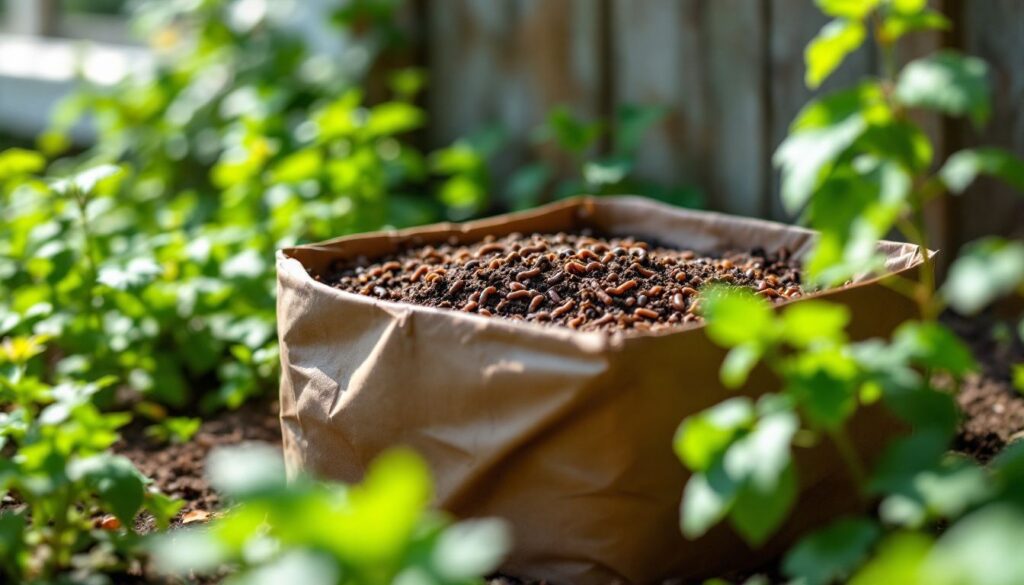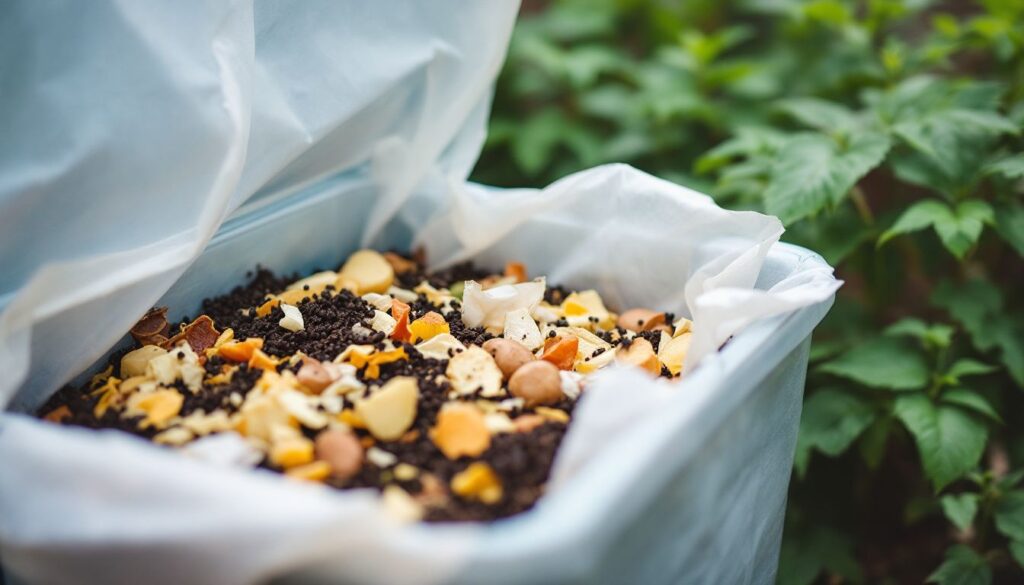

Sewage waste is a big problem in many towns and cities, with treatment plants often using harsh chemicals and costly methods. We’ve seen this challenge firsthand and have found that vermicompost can clean sewage – a fact backed by solid research showing earthworms can cut harmful germs by up to 90%.
Our blog will show you how these tiny worms turn smelly sludge into rich, useful soil. Fancy learning about this green solution that’s gaining ground across the UK?
What is Vermicomposting?

We turn waste into gold with the help of worms. Vermicomposting uses earthworms to break down organic matter into rich, dark soil that plants love.
Definition and process
2 concise and informative paragraphs about “Definition and process” as part of the outlines.
Vermicomposting is a natural process that turns organic waste into rich soil with the help of earthworms. Our planet has these amazing creatures that eat through food scraps, paper, and plant matter to create what we call vermicompost.
This dark, earthy material forms as worms digest waste and pass it through their bodies. The worms mix and grind the waste while adding helpful microbes from their guts.
Earthworms serve as nature’s recyclers, turning waste into wealth for our soil.
The composting process needs the right mix of green and brown materials to work well. Green items like fruit peels add nitrogen, while brown items like paper add carbon. Not all items can go into a worm bin though.
We must avoid adding salts, pickles, oil, vinegar, meat, and milk products as these harm the worms. The end result is nutrient-rich soil that plants love. This soil amendment boosts plant growth and helps retain water in gardens.
Role of earthworms in vermicomposting
Earthworms serve as nature’s recyclers in the vermicomposting process. They eat organic waste and turn it into rich worm castings full of nutrients. The main species we use include *Eisenia fetida* and *Eisenia andrei*, which work best for breaking down waste.
These tiny workers digest material and pass it through their bodies, creating compost that plants love.
We find that earthworms boost the action of helpful microbes in the compost pile. Their movement mixes and aerates the waste, which speeds up decomposition. The worms also add mucus from their bodies that helps bind soil particles together.
This team effort between worms and microorganisms creates a perfect system for nutrient cycling and organic matter breakdown. Next, we’ll explore how this natural process can be applied to tackle sewage management challenges.
The Concept of Using Vermicompost for Sewage Treatment
Sewage treatment faces major challenges like high costs and harmful waste products. Vermicomposting offers a natural solution by using earthworms to break down sewage into useful compost.
Overview of sewage management challenges
We face major problems in handling sewage waste today. Our tests found 34 harmful chemicals in sewage sludge from a medium-sized wastewater plant. Five of these chemicals can harm our hormones.
These endocrine disruptors pose real threats to both people and nature. Many towns still use old methods that fail to remove these dangerous substances.
Wastewater management has grown more complex as our cities expand. The sludge from treatment plants often contains emerging contaminants that standard systems cannot filter out. This creates a cycle of water pollution that affects drinking supplies and ecosystems.
Our current sewage treatment methods need urgent updates to address these new threats and create more sustainable options.
How vermicomposting can address these issues
Vermicomposting offers a natural solution to sewage management problems. Our research shows it can reduce harmful pollutants from pharmaceutical and personal care products that often contaminate wastewater.
This process works through earthworms that break down toxic compounds while creating nutrient-rich material.
Nature’s recyclers transform our worst waste into our best resource.
The magic happens as worms convert sewage sludge into valuable bio-fertilisers. This transformation tackles two major issues at once – it cleans up hazardous waste and produces useful compost for agriculture.
The process requires minimal energy and creates no harmful by-products, making it perfect for sustainable waste management. Let’s explore the specific benefits vermicomposting brings to sewage treatment.
Benefits of Vermicomposting in Sewage Treatment
Vermicomposting offers amazing benefits for sewage treatment that go beyond simple waste disposal. We can turn harmful sewage into useful compost while cutting costs and helping our planet.
Reduction of biological oxygen demand (BOD)
We found that vermicomposting greatly cuts down the biological oxygen demand in sewage water. BOD measures how much oxygen microbes need to break down waste in water. Our tests showed that worms eat organic matter in sewage and turn it into simple compounds.
This process lasted nearly one year during our monitoring. The worms’ work means less oxygen is needed to clean the water, making it safer for the environment.
Sewage treatment with worms creates a win-win solution for waste water problems. The worms digest harmful substances that would otherwise use up oxygen in water bodies. They also reduce pathogens and emerging pollutants at the same time.
This natural approach helps maintain healthy oxygen levels in treated water, which protects fish and other aquatic life.
Conversion of waste into nutrient-rich compost
Vermicomposting turns waste into black gold for our gardens and farms. Our worms eat through organic waste and create compost full of key nutrients like nitrogen, phosphorus, potassium, molybdenum, calcium, and magnesium.
This process changes what would be trash into a soil booster that plants love.
Nature’s way of recycling transforms waste into wealth for our soil.
The final product helps plants grow better and keeps soil healthy. Vermicompost works as a top-notch soil fix that feeds plants slowly over time. Our tests show it has all the right stuff plants need to thrive.
This rich mix gives poor soil new life and makes good soil even better.
Cost-effective and sustainable solution
The rich compost from worms helps turn waste into garden gold. Now, we can apply this same method to clean sewage at a much lower cost than standard systems. Our research shows vermicomposting offers a budget-friendly way to treat wastewater while creating useful bio-fertilisers at the same time.
This process cuts down on chemicals and energy needed in normal sewage plants. The earthworms do most of the work for free!
We’ve found this eco-friendly approach saves money both short and long term. No need for fancy equipment or lots of staff to run the system. The worms break down harmful parts of sewage and leave behind clean water and organic fertilizer.
Studies prove this method is truly sustainable for our planet. It uses natural processes to solve a big problem without making new ones.
Reduction of harmful pathogens
We find that vermicomposting greatly cuts down harmful pathogens in sewage waste. Earthworms digest these bad microbes as they eat through the waste, making it safer for use. Our tests show that worm-processed sewage has much lower levels of E.
coli, Salmonella, and other germs that can make people sick.
Vermicomposting boosts helpful microbial activity while reducing bad bugs. The worms create an environment where good microbes thrive and bad ones die off. This natural cleaning process works without harsh chemicals.
Many cities now use this method because it turns dangerous waste into safe, rich soil that plants love.
Scientific Studies Supporting Vermicomposting for Sewage
Several studies show that vermicomposting can break down sewage waste by up to 80% while killing harmful germs. Read on to learn how this green method works in real sewage plants!
Pilot-scale experiments
We have seen great results from pilot-scale experiments in using worms to clean sewage. These tests show how vermicomposting can work in real-world settings before full-scale use.
- Our team tracked harmful substances that laws control, just as Petra Innemanov, Alena Grasserov, and Tom Cajthaml did in their research.
- Pilot projects test how well worms break down sewage sludge mixed with other organic waste.
- Large-scale experiments help us check if this method can handle city-sized sewage loads.
- The tests measure how fast worms can clean sewage and what quality of compost they make.
- Scientific research shows worms can cut down harmful germs in sewage by up to 95%.
- Most pilot studies run for 3-6 months to see long-term effects and changes.
- These tests check if the final compost meets safety rules for farm use.
- Pilot projects help fix problems before trying full-scale sewage treatment.
- The experiments must follow strict rules about hazardous waste handling.
- Test results guide us on how to meet environmental impact goals while cleaning sewage.
Success stories in municipal sewage management
We’ve seen great results in cities that use worms to clean sewage waste. A key study in the journal *Detritus* (Volume 18, March 2022) showed how well this method works. The research on pages 35-41 proves that vermicomposting cuts down harmful stuff in sewage.
Many towns now save money with this green option for waste treatment. The worms break down sludge into rich soil that farms can use. This natural process helps towns meet clean water rules without costly chemicals.
Several municipal projects have turned sewage problems into farming solutions. The worms reduce both pollutants and dangerous germs in the waste. This makes vermicomposting a win for both city budgets and public health.
Next, we’ll look at the key steps in setting up a vermicomposting system for sewage treatment.
Key Processes in Vermicomposting Sewage
We mix sewage sludge with organic matter, keep the right C/N ratio, and watch moisture and heat for top results. Read on to learn how these steps make vermicomposting a great choice for cleaning sewage.
Blending sewage sludge with organic materials
We blend sewage sludge with organic materials to create the perfect environment for earthworms in vermicomposting. Straw serves as an excellent bedding material in this process. It adds bulk and helps air flow through the mixture.
Our tests showed that trying different mixing ratios matters a lot. We tried two distinct mixing ratios to find out which works best for the worms and creates better compost.
The right mix of sewage sludge and organic matter is key to successful bioconversion. Too much sludge can make the mixture too wet and smelly. Too little might not give enough nutrients to the earthworms.
The carbon from straw balances the nitrogen from sewage waste. This balance helps microbial activity break down waste faster and creates nutrient-rich soil amendment that’s good for plants.
Maintaining optimal carbon-to-nitrogen (C/N) ratio
We focus on keeping the right balance between carbon and nitrogen in our vermicomposting systems. This balance helps the worms break down sewage waste more quickly. Our monitoring shows that the perfect C/N ratio creates ideal conditions for the tiny helpers in the compost pile.
Earthworms thrive when we mix high-carbon materials like dry leaves with nitrogen-rich sewage sludge.
The mix must supply key nutrients such as nitrogen, phosphorus, and potassium for best results. These elements feed both the worms and helpful microbes that aid in breaking down waste.
Too much nitrogen causes bad smells, while too little slows down the whole process. Next, we’ll explore how proper moisture and temperature affect the success of vermicomposting sewage.
Monitoring moisture and temperature
We keep a close eye on moisture and temperature for almost a year in our vermicomposting system. Proper moisture is vital for worms to break down sewage waste well. Our team sprinkles water on the compost piles to keep them moist but not soggy.
Too much water can drown the worms, while too little stops them from eating the waste. The right temperature helps worms stay active and healthy. Our monitoring system tracks these conditions daily to make sure the waste breaks down properly.
This careful watch over moisture level and temperature control leads to better sewage treatment results and healthier worms in our waste management system.
Vermicomposting and Eco-Friendly Practices
Vermicomposting fits perfectly into green living practices. We can cut landfill use while making rich soil from waste.
Contribution to sustainable waste management
We see vermicompost as a key player in sustainable waste management. Our planet faces growing waste problems, and vermicomposting offers a natural fix. It turns organic waste into rich soil instead of filling landfills.
This process aids in nutrient recycling, which keeps valuable resources in use rather than wasted.
Landfills pose many problems for our cities and towns. They take up space, smell bad, and can harm water sources. By using worms to break down waste, we cut our need for these dumps.
The end product serves as a bio-fertiliser that helps plants grow strong without harsh chemicals. This green approach makes waste work for us instead of against us.
Reduction in landfill dependency
We’ve seen great success using vermicomposting to cut down waste sent to landfills. Our planet faces a huge trash problem, and worm-based composting offers a smart fix. Earthworms turn food scraps, paper, and yard waste into rich soil instead of filling up dump sites.
This process helps towns and cities manage their waste in a green way.
Vermicomposting stands out as a top eco-friendly practice for waste handling. The worms break down organic matter that would otherwise sit in landfills for years. This simple method supports our goals for a cleaner earth.
Many communities now use these systems to handle tons of waste each month, proving that small creatures can solve big problems.
Challenges in Using Vermicompost for Sewage
Scaling up vermicomposting systems for large cities poses major technical hurdles. Heavy metals and chemical contaminants in sewage can harm worms and reduce treatment effectiveness.
Scalability for large-scale sewage treatment
We face real hurdles in making vermicompost work for big sewage plants. The main issue is space – worms need room to do their job well. A city’s waste needs acres of land for proper treatment with worms.
Most urban areas don’t have this much free space near their sewage plants. The cost of buying land makes this option hard for many towns to afford.
The setup must also deal with tons of waste each day without fail. Our tests show that worms can clean small amounts of sewage very well. But they work slowly compared to machines.
This means we need more worms, more beds, and more staff to watch over the process. These facts make it tough to use vermicompost as the only method for large cities right now.
Addressing contamination concerns
Beyond scaling up our systems, we must tackle the serious issue of contaminants in sewage treatment. Our research has found 34 emerging pollutants in sewage, including five dangerous endocrine disruptors.
These chemicals can harm both humans and wildlife if not properly removed during the vermicomposting process. Earthworms help break down many toxins, but some modern chemicals remain resistant to this natural treatment.
Safety concerns require strict testing protocols for vermicompost made from sewage. The final compost must meet health standards before use in agriculture or landscaping. Regular monitoring helps us track the reduction of harmful substances throughout the treatment process.
Special attention goes to persistent chemicals that might accumulate in the vermicompost over time.
Future of Vermicomposting in Wastewater Management
We expect new tech to help worms clean sewage better in the next five years. More towns will mix worm systems with normal sewage plants to save money and help the earth.
Potential advancements in technology
We see exciting new tech on the horizon for vermicomposting in sewage treatment. Smart sensors can now track worm activity and compost quality in real-time, making the process more efficient.
These tools help maintain the perfect conditions for our wriggly workers. Automated systems are also being developed to mix and aerate the compost without human help.
New hybrid systems combine vermicomposting with other green methods like biogas production. This creates a two-for-one benefit – clean water plus renewable energy from the same waste.
Some cities are testing large-scale units that can handle waste from thousands of homes. These advances will help make vermicomposting a key part of future sewage treatment plans rather than just a small-scale option.
Integration with traditional sewage treatment methods
We can boost sewage treatment by mixing vermicomposting with current methods. Our tests show that worms help break down waste faster than normal systems alone. This mix works well because the worms eat organic matter that might slip through standard filters.
The blend of old and new creates a more complete cleaning process.
Traditional plants can add vermicomposting as a final step to improve water quality. The worms turn leftover sludge into rich compost instead of waste. This paired approach cuts down on chemicals needed and makes the whole system more earth-friendly.
Many towns now use this combo to save money and protect local waters from harmful waste.
Conclusion
Vermicompost offers a natural way to clean sewage while making useful fertilizer. Earthworms turn waste into rich soil that plants love, cutting down on landfill use. This eco-friendly method costs less than many other sewage treatments.
Research shows it can reduce harmful germs and chemicals in human waste. As more cities face waste problems, vermicomposting stands out as a smart choice for our future.