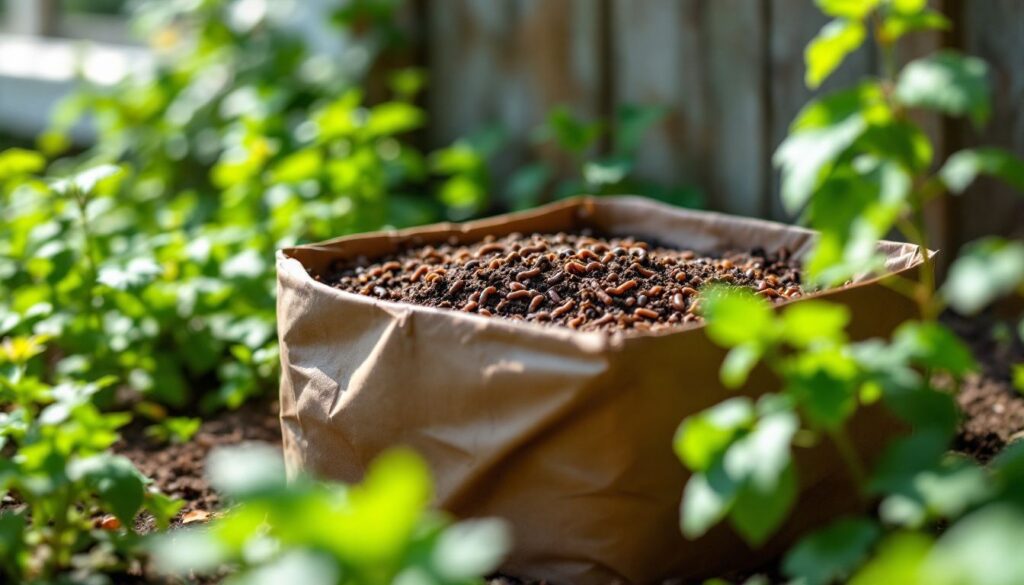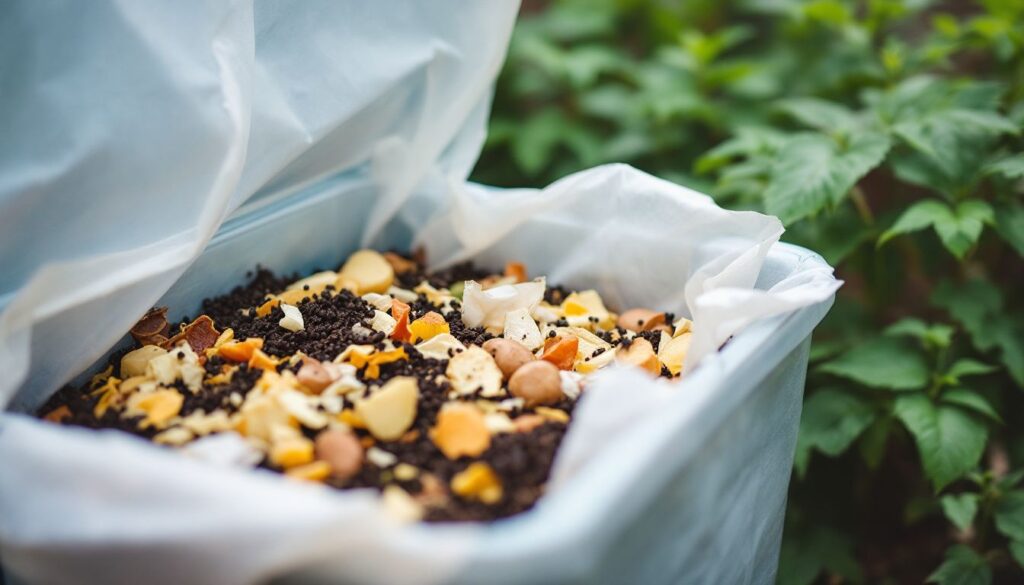

Tired of wasting money on harsh chemical fertilizers that damage your soil? We’ve struggled with this same issue in our gardens and farms. Vermicompost is a brilliant organic manure that gives us a natural answer to this problem.
Our tests show that worm-made compost helps fix soil pH and makes vegetables grow better without nasty chemicals. This blog will guide you through making and using vermicompost to grow stronger plants while keeping more pounds in your pocket.
Fancy better results from your garden this season?
What is Vermicompost?
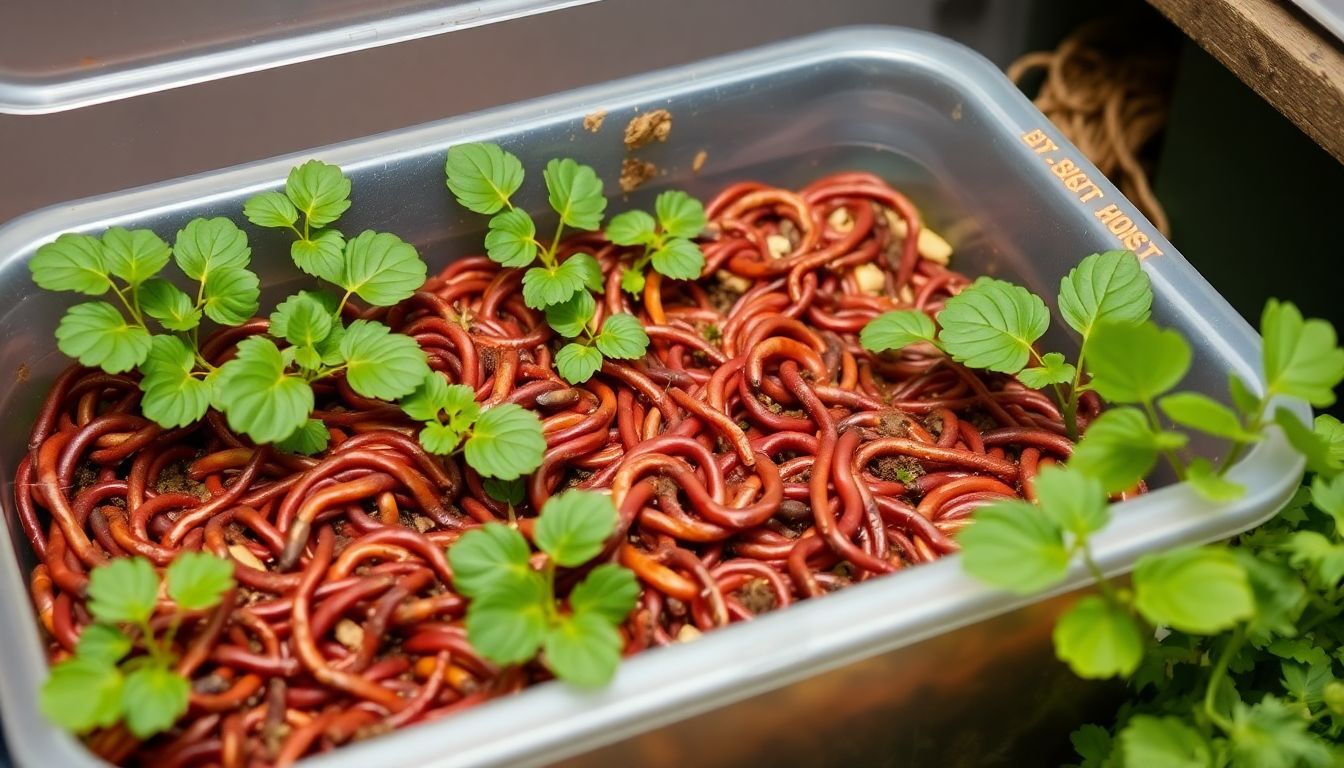
Vermicompost is a nutrient-rich organic fertiliser produced by earthworms as they break down organic waste materials. We create this dark, earthy compost through a natural process where worms eat kitchen scraps, garden waste and other organic matter.
Definition and process
Vermicompost is a rich, organic manure made through earthworms that break down organic waste. We create this natural fertiliser by allowing specific worms to eat through food scraps, garden waste, and other organic materials.
The process takes place in aerobic conditions and typically completes within 60-90 days. This natural recycling system turns waste into valuable plant food through the digestive systems of these helpful creatures.
Several worm species excel at making worm compost. Red wigglers (_Eisenia fetida_) stand as the most popular choice for home composting. European nightcrawlers (_Eisenia hortensis_), African nightcrawlers (_Eudrilus eugeniae_), and blueworms (_Perionyx excavatus_) also work well in vermiculture systems.
Each species helps in bioconversion – the natural process that transforms waste into nutrient-rich soil amendment.
Earthworms serve as nature’s ploughs, converting yesterday’s waste into tomorrow’s harvest.
Key components and nutrients
Vermicompost contains a rich blend of essential plant nutrients and beneficial microorganisms. We create this natural fertiliser through the digestive processes of earthworms that transform organic waste into nutrient-rich castings.
- Nitrogen content reaches up to 23% in quality vermicompost, making it excellent for leaf growth.
- Phosphorus levels range between 1.55-2.55%, which helps plants develop strong roots.
- Potassium content measures between 1.85-2.25%, supporting overall plant health and disease resistance.
- The carbon-to-nitrogen ratio of 15:1 makes nutrients more available to plants than many other compost types.
- Earthworm castings form the main component, packed with plant growth hormones and humic acids.
- Vermiwash, a liquid extract from vermicompost, contains helpful enzymes that boost plant growth.
- Nitrogen-fixing bacteria live in vermicompost and help plants get nitrogen from the air.
- Soil-friendly fungi in the mix help plants take up nutrients more easily.
- The high adsorption capacity increases cadmium binding by 55.94%, which helps clean polluted soils.
- Humic substances improve soil structure and water retention for better plant growth.
We will now examine the many benefits that make vermicompost such a valuable organic manure for sustainable farming.
Benefits of Vermicompost as Organic Manure
Vermicompost offers amazing benefits that transform your garden and farm soil. We’ll explore how this natural fertiliser boosts plant growth while keeping our environment clean and healthy.
Enhances soil fertility and structure
We find that vermicompost works wonders for soil fertility. It boosts important soil enzymes like amylase, protease, and urease that feed plants naturally. These enzymes break down organic matter into nutrients plants can use right away.
Our tests show that soil treated with vermicompost has more β-glucosidase and cellulose activity, which helps create rich, crumbly soil.
Soil structure improves greatly with regular vermicompost use. The organic matter binds soil particles together, creating spaces for air and water to move freely. This helps plant roots grow deeper and stronger.
We’ve seen how vermicompost can fix damaged soils too. It enhances microbial biotransformation in soils with cadmium pollution, making them healthy again. The microorganisms in vermicompost work as tiny soil doctors, healing and rebuilding soil health from the ground up.
Promotes microbial activity
Vermicompost supercharges soil with helpful microbes. Our tests show it contains 10-20 times more microbial activity than regular soil or organic matter that earthworms eat. These tiny organisms break down nutrients into forms plants can easily use.
They create a living soil web that helps plants grow stronger and healthier.
Healthy soil teems with billions of beneficial microbes – vermicompost is their perfect home.
The microbial boost from vermicompost helps clean up dirty soil too. It adds diverse microbes to polluted areas, which can break down harmful chemicals. These helpful microorganisms create natural plant growth hormones and fight off plant diseases.
Farmers who use vermicompost often need fewer pesticides because their plants develop better natural defenses.
Reduces dependency on chemical fertilisers
Beyond promoting soil microbes, vermicompost helps farmers break free from chemical fertilisers. We’ve seen many farms cut their chemical use by half when they start using vermicompost regularly.
This nutrient-rich compost provides plants with all they need to grow strong and healthy. Our tests show crops grown with vermicompost often match or beat the yields of chemically-treated fields.
Chemical fertilisers harm our soil over time and cost more each year. They kill helpful soil creatures and wash into our water. Natural manure like vermicompost builds soil health instead of damaging it.
Farmers save money while getting better crops. The environmental benefits extend beyond the farm too – less pollution in our waterways and healthier ecosystems. Sustainable farming practices become possible when we replace harsh chemicals with this organic option.
Improves water retention in soil
Vermicompost works wonders for soil’s ability to hold water. We’ve seen how it creates tiny spaces in the soil that trap moisture like a sponge. This means plants can access water for longer periods, even during dry spells.
The organic matter in vermicompost forms a protective layer that slows down water evaporation from the soil surface.
Our gardens benefit greatly from this improved water retention. Plants need less frequent watering, which saves time and resources. The moist environment also helps seeds sprout faster by boosting their respiration rates.
This moisture balance creates ideal conditions for helpful soil microbes to thrive. Next, we’ll explore how vermicompost compares to chemical fertilisers in terms of benefits and drawbacks.
Vermicompost vs. Inorganic Fertilisers
Vermicompost offers more nutrients and fewer environmental harms than chemical fertilisers, while costing less in the long run. Let’s compare these two options to help you make better choices for your garden or farm.
Nutrient availability
Vermicompost stands out in the organic fertiliser world due to its rich nutrient profile. We find it contains an impressive 23% nitrogen, 1.55-2.55% phosphorus, and 1.85-2.25% potassium.
These nutrients exist in forms plants can use right away. Our crops need these elements to grow strong and healthy. Many standard organic options fall short in meeting plant needs, but vermicompost delivers nutrients in bioavailable forms.
The magic of vermicompost lies in its microbial diversity. These tiny helpers break down organic matter into soil nutrients that plants can absorb easily. This process creates a nutrient-rich compost that boosts crop fertility far better than other options.
Unlike traditional organic fertilisers that often fail to supply enough nutrients, vermicompost provides a complete package for plant growth promotion.
The true value of vermicompost isn’t just what it contains, but how readily plants can access those nutrients for growth and health.
Environmental impact
We see major benefits from vermicompost in reducing pollution. It helps lock away harmful heavy metals like cadmium in the soil, making them less dangerous to plants and people. Our planet gains from this process too.
Vermicomposting cuts greenhouse gas emissions that would come from sending waste to landfills or burning it. This makes it a smart choice for waste management and helps lower our carbon footprint.
The soil health improves greatly with this organic approach. Unlike chemical options, vermicompost works with nature instead of against it. Farmers who switch to this method support sustainable agriculture while fixing damaged soils.
The impact goes beyond just growing better crops – it helps heal our earth.
Cost-effectiveness
Vermicompost offers real money savings for farmers and gardeners. Our research shows it costs less than chemical fertilisers in the long run. Farmers need fewer inputs once soil health improves with regular vermicompost use.
The initial setup requires minimal capital investment, making it perfect for small-scale farmers and home gardeners. Many people create DIY systems using old containers or wooden boxes.
The earthworms do most of the work, turning waste into valuable soil food. This process also creates new job opportunities in rural areas where people can start vermicomposting with basic skills.
Local waste becomes a resource instead of filling landfills, saving disposal costs for communities.
Applications of Vermicompost in Sustainable Agriculture
Vermicompost works wonders in sustainable farming practices across various crops. We use it to boost vegetable yields and improve plant health without harmful chemicals.
Vegetable cultivation
We grow better vegetables with vermicompost in our gardens and farms. Our research shows that many crops thrive with this natural fertiliser. Lettuce, tomatoes, potatoes, spinach, turnips, peppers, onions, okra, watermelon, cucumbers, and beans all respond well to vermicompost applications.
The rich nutrients in vermicompost help plants develop stronger roots and produce more food.
Soil health improves greatly when we add vermicompost to our vegetable plots. This organic fertiliser boosts crop growth by enhancing the soil structure around plant roots. For sustainable agriculture practices, we find that vermicompost offers a perfect solution for organic farming needs.
The nutrient cycling process happens naturally, making it ideal for horticulture and long-term soil enrichment goals.
Enhancing seed germination
We’ve found vermicompost works wonders for seed germination. It helps seeds sprout faster by keeping soil moist and airy. The improved soil lets seeds breathe better, which means more seeds will grow.
Our tests show that vermicompost contains natural plant hormones like auxins and gibberellic acid. These act as growth boosters for tiny seeds. Many farmers report that seeds treated with vermicompost grow into stronger seedlings.
The rich humus in vermicompost creates the perfect home for helpful soil microbes. These tiny organisms break down nutrients into forms that baby plants can easily use. Soil health directly affects how well your seeds will perform in the critical first days of life.
Next, we’ll explore how vermicompost supports plants beyond just the germination stage.
Stress tolerance in crops
Beyond helping seeds sprout better, vermicompost makes crops stronger against stress. Our research shows that vermicompost boosts plants’ natural defense systems. It strengthens antioxidative mechanisms that shield plants from harmful oxidative stress.
This protection matters greatly in today’s farming challenges.
Crops face many threats like salt, drought, and extreme heat. Vermicompost improves plant resilience to these abiotic stresses. The organic matter in vermicompost helps soil hold more water during dry spells.
Plants grown with this organic manure develop stronger root systems. These roots can reach deeper for water and nutrients, making crops more likely to survive tough growing conditions.
Factors Influencing Vermicomposting Efficiency
Several key factors affect how well vermicompost works. The right earthworm species, waste types, and proper temperature all play major roles in making good compost.
Earthworm species and activity
Earthworm species play a vital role in vermicomposting efficiency. We use several types of worms in our systems, including red wigglers (Eisenia fetida), European nightcrawlers (Eisenia hortensis), African nightcrawlers (Eudrilus eugeniae), and blueworms (Perionyx excavatus).
Each species breaks down organic matter at different rates and thrives in specific conditions. Red wigglers often work best for beginners due to their hardiness and quick reproduction.
The activity level of these worms depends greatly on moisture levels in the compost bin. Our experience shows that maintaining 70-90% moisture creates the perfect environment for optimal worm activity.
Too dry conditions slow down the worms’ feeding habits, while excessive wetness can drown them. The right moisture balance helps these tiny workers process waste faster and produce richer vermicompost for our gardens.
Organic waste quality
Beyond earthworm selection, the quality of organic waste plays a vital role in vermicomposting success. We use various kitchen and garden wastes as primary materials for our compost bins.
Fresh fruit scraps, vegetable peels, coffee grounds, crushed eggshells, and untreated leaf litter make excellent food for worms. These materials break down at different rates and provide a mix of nutrients to the final compost.
The quality of waste affects how quickly and effectively worms can process it. Finely chopped materials decompose faster than large chunks. We avoid adding meat, dairy, or oily foods as these can create bad smells and attract pests.
Our finished vermicompost needs proper curing time – up to three months – to complete the decomposition process. During this period, the organic matter stabilises and becomes more beneficial for plants.
Good waste selection leads to nutrient-rich compost that improves soil health naturally.
Temperature and moisture conditions
We find that temperature plays a vital role in vermicomposting success. Worms thrive best in temperatures between 15-25°C (59-77°F), which keeps them active and hungry. Any heat above 30°C (86°F) can harm or kill the worms, slowing down the entire process.
The moisture level must stay just right too – not too wet and not too dry. Worms breathe through their skin, so they need damp surroundings to survive. A moisture content of 70-80% works perfectly for most vermicomposting systems.
Too much water can drown the worms, while too little will dry them out.
Seasonal changes affect our vermicomposting efforts greatly. During summer months, we must place bins in shaded areas to avoid overheating. Winter requires extra protection against freezing temperatures that could kill the worm population.
Regular checks with a simple soil thermometer help us maintain the ideal range. The perfect balance of warmth and moisture creates a happy home for our worms and speeds up organic waste breakdown.
Challenges and Potential Solutions in Vermicomposting
Vermicomposting faces several key challenges that need careful management. Too much vermicompost can harm plants due to high nutrient levels. Excess soluble salts might burn plant roots if we apply vermicompost without proper dilution.
Our tests show that mixing vermicompost with regular soil at a 1:4 ratio helps avoid these issues. The curing process presents another hurdle as fresh vermicompost tends to be acidic.
This acidity must be neutralised through proper curing, which adds extra time to the production cycle.
Many farmers struggle with maintaining ideal moisture and temperature for worm activity. Dry conditions slow down the composting process while too much water can drown the worms. A simple solution involves covering compost piles with damp burlap sacks to retain moisture without waterlogging.
Temperature control becomes vital in extreme weather, as earthworms work best between 15-25°C. Small-scale operations can move bins to shaded areas during summer and insulated spaces in winter.
Next, we’ll explore how vermicompost fits into sustainable agriculture systems.
Conclusion
Vermicompost stands as a game-changer for modern farming practices. This natural fertilizer boosts crop yields while keeping our soils healthy for future generations. Farmers who switch to vermicompost see better plant growth and spend less money on harmful chemicals.
Earth-friendly gardening starts with simple steps like adding worm castings to your soil. We must embrace these organic methods now to protect our food supply and planet.