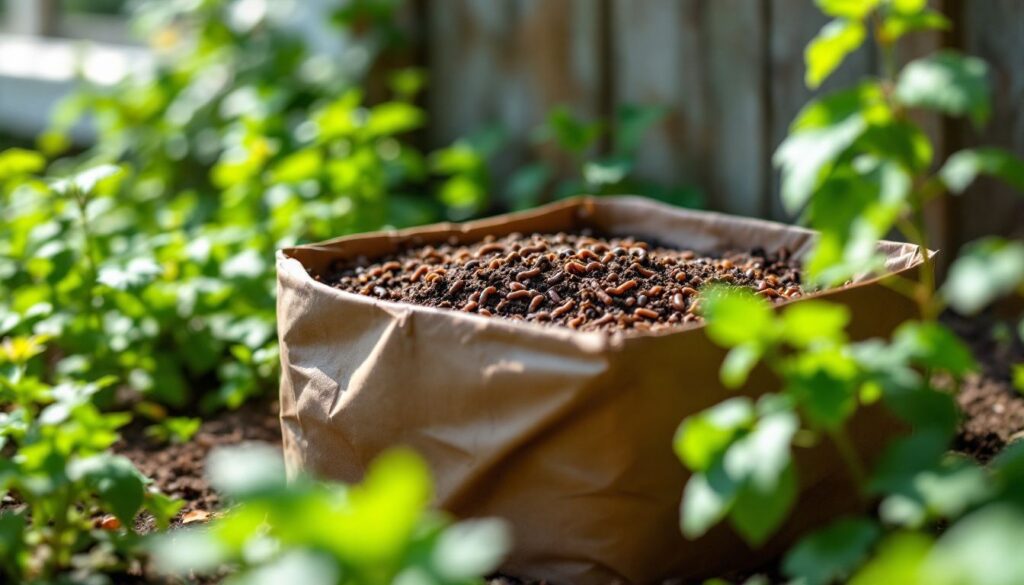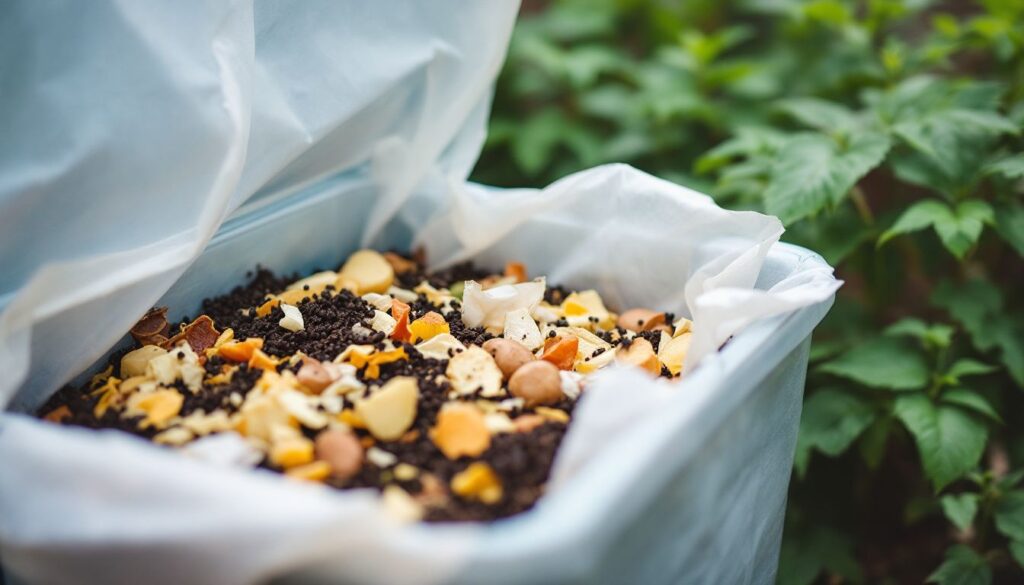

Are you struggling to grow healthy plants without harsh chemicals? Many gardeners face this challenge, and we’ve discovered that vermicompost serves numerous garden needs, packing five times more nitrogen than ordinary soil.
Our blog will guide you through all the clever ways to use worm castings in your garden, houseplants, and even larger farming plots. Have a read and learn how to transform your garden waste into what many green-thumbed enthusiasts call ‘black gold’!
What is Vermicompost?
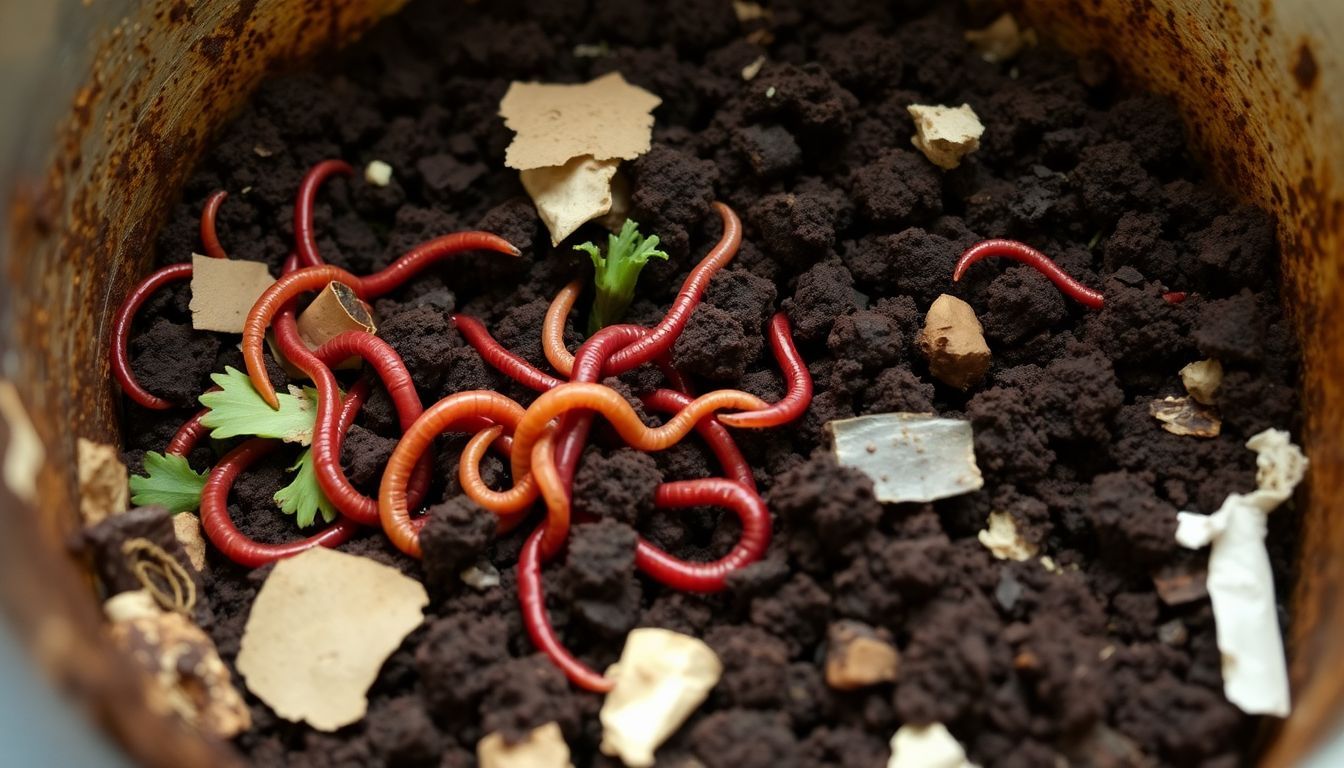
Vermicompost is a rich, natural fertilizer made by worms as they digest organic matter. We use special worms like red wigglers and white worms to create this nutrient-packed soil amendment.
These busy creatures eat through food scraps, paper, and plant waste, turning them into dark, crumbly castings. Worm castings contain more water-soluble nutrients than the starting materials, making them perfect for plant growth.
The process works faster than regular composting and gives better results. Our tests show vermicompost has lower salt levels and a more neutral pH than traditional compost. This makes it gentle on plants while still feeding them well.
The finished product looks like fine coffee grounds and smells earthy and fresh. Many gardeners call it “black gold” because plants respond so well to it.
Vermicompost isn’t just soil – it’s the most nutrient-dense natural fertilizer nature offers, created through the amazing partnership between humans and earthworms.
Benefits of Vermicompost
Vermicompost offers amazing benefits that transform garden soil and boost plant growth. We’ve seen remarkable results when using this natural fertiliser in both small gardens and large farms.
Rich in nutrients
Vermicompost stands out as a top-notch organic fertilizer due to its impressive nutrient profile. We’ve found it contains 1-7% Nitrogen, 0.5-1.5% P2O5, and 1-2% K2O – key elements plants need to grow strong and healthy.
These worm castings offer a perfect balance of nutrients in forms plants can easily use. The low carbon-to-nitrogen ratio (less than 15:1) means these nutrients become available to plants much faster than in regular compost.
Our gardens thrive with this nutrient-rich compost because it feeds plants while boosting soil life. The mix of macro and micro nutrients in vermicompost helps plants develop better roots, stems, and leaves.
Many farmers report stronger crops after adding this natural soil amendment to their fields. Plants grown with worm castings often show deeper green color and better fruit production thanks to this complete nutrient package.
Improves soil structure
Vermicompost works wonders on soil structure by creating a special microhabitat called the drilosphere. This unique environment helps plants grow better by making soil looser and more crumbly.
We’ve seen how adding this rich material to garden beds breaks up clay soils and binds sandy soils together. The organic matter in vermicompost forms stable soil aggregates that allow roots to spread easily through the ground.
Good soil structure is the foundation of healthy plants – vermicompost creates the perfect balance of air, water and nutrients that roots need to thrive.
Our tests show that soil treated with vermicompost has more pore spaces for air and water movement. This improved structure means less compaction and better drainage during heavy rains.
The soil doesn’t become waterlogged or crack during dry spells. Plants grown in vermicompost-amended soil develop stronger root systems because they can push through the improved soil with less effort.
Enhances water retention
Vermicompost works wonders for soil’s ability to hold water. We find that soils mixed with this natural soil conditioner can store more moisture for plant roots. The earthworm castings create tiny spaces in the soil that trap water like a sponge.
This helps plants survive dry spells without extra watering.
Our gardens benefit greatly from this moisture retention quality. The water-soluble nutrients in vermicast make it an ideal soil amendment for both indoor and outdoor plants. Gardens treated with vermicompost need less frequent watering, which saves time and resources.
Plants grow stronger with steady moisture levels in their root zones.
Promotes beneficial microorganisms
Vermicompost creates a perfect home for helpful soil microbes. These tiny workers break down organic matter and make nutrients ready for plants to use. Our tests show that vermicompost contains beneficial enzymes and nitrogen-fixing bacteria from vermiwash, a liquid by-product.
These good bacteria help plants get the nitrogen they need without chemical fertilizers. The soil microbiome thrives with this natural biofertilizer, making the whole garden ecosystem stronger.
We’ve seen how vermicompost boosts the health of soil organisms in many ways. The nutrient-rich compost feeds not just plants but also earthworms, fungi, and other helpful creatures in the soil food web.
This microbial activity improves soil health naturally and supports organic agriculture practices. Plants grown in this enriched soil show better resistance to pests and diseases. Next, we’ll explore how vermicompost applications enhance crop yields in sustainable farming systems.
Applications of Vermicompost in Agriculture
Vermicompost transforms agriculture by boosting crop health and yields naturally. Farmers worldwide use this organic fertiliser to grow nutritious food while protecting soil health.
Organic farming
We use vermicompost as a key input in organic farming systems. This natural fertiliser boosts soil health without harmful chemicals. Farmers who switch to vermicompost can cut down or stop using synthetic fertilisers completely.
The rich worm castings add vital nutrients that crops need to grow strong. Many organic farms now include worm bins as part of their nutrient cycling plan. Earthworms transform waste into black gold for the soil.
Organic growers value vermicompost for its role in sustainable agriculture practices. It helps build long-term soil fertility rather than just feeding plants for one season. The active microbial life in worm castings supports plant roots and fights off some plant diseases.
Crop production improves as soil health gets better over time. Our organic farms become more self-sufficient with on-site composting worms creating free fertiliser from waste materials.
Sustainable gardening
We champion sustainable gardening through vermicompost as a key practice for eco-friendly farming. Vermicompost serves as an excellent nutrient supplement in horticulture, making it perfect for gardens that aim to reduce chemical use.
Our gardens thrive with this natural soil amendment that builds soil health over time. Many gardeners report stronger plants and better harvests after switching to vermicompost-based methods.
This organic approach helps create a balanced ecosystem where plants and soil life work together. Green agriculture practices like using vermicompost support environmental sustainability while producing healthy food.
The next section explores how vermicompost specifically enhances organic farming methods.
Enhancing crop yield
Vermicompost plays a vital role in boosting crop yields for farmers and gardeners alike. Our tests show it helps seeds germinate faster and produces stronger plants with higher yields.
Farmers can apply up to 1 inch of vermicompost in furrows before planting to get the best results. This organic fertilizer works as a powerful plant growth promoter by adding key nutrients directly where roots can access them.
Many organic farmers have switched to vermicompost as their main soil amendment because it improves agricultural productivity without harmful chemicals. The nutrient-rich compost creates the perfect growing environment that supports sustainable farming practices.
Next, let’s explore how vermicompost transforms landscaping projects with its amazing benefits.
Applications in Landscaping
Vermicompost works wonders in landscaping projects by adding vital nutrients to soil. We use it to transform dull gardens into thriving green spaces that need less water and fewer chemicals.
Turfgrass management
We find vermicompost highly effective for turfgrass management in golf courses and lawns. Our best results come from adding a thin layer (up to 1 inch) mixed into the top 6 inches of soil.
This simple step boosts soil fertility and creates the perfect base for strong grass growth. The rich organic matter in vermicompost helps grass roots spread deeper and wider.
Grass needs good moisture to stay green and healthy. Vermicompost improves water retention in soil, which means less watering for lawn care teams. The improved soil composition also helps fight soil compaction – a common problem in high-traffic green spaces.
Many landscaping pros now use this natural soil amendment to cut down on chemical fertilisers while still keeping grass lush and vibrant.
Golf courses
We apply vermicompost on golf courses to keep the grass healthy and strong. The natural nutrients in vermicompost help create lush, green fairways and smooth putting greens. Golf course managers value this organic option because it boosts soil life and cuts down on chemical use.
The rich mix of good microbes in vermicompost fights off plant diseases that can damage turf. These tiny helpers break down organic matter and make nutrients easy for grass roots to take up.
Many top golf courses now use vermicompost as part of their green care plans. It works well in both sandy and clay soils, making it perfect for the varied ground types found across golf courses.
Lawns and parks
We apply vermicompost to lawns and parks as part of our sustainable landscaping practices. This organic material works wonders for outdoor spaces, making grass thicker and healthier.
A thin layer of vermicompost (up to 1 inch) spread under plant canopies serves as an excellent mulch for garden beds and planting areas.
Our green spaces benefit greatly from vermicompost’s soil-improving qualities. The rich organic matter enhances turf health and supports robust ground cover in public parks. Many horticulture teams now use it in their garden design plans because it cuts down the need for chemical fertilisers.
Grasslands and planting beds treated with vermicompost show better growth and need less water, making them easier to maintain.
Environmental Applications of Vermicompost
We use vermicompost in many environmental projects to clean polluted soils, treat sewage waste, and stop land from washing away. Read on to discover how worm castings help heal our planet!
Sewage treatment
Vermicompost plays a vital role in sewage treatment through a process called vermifiltration. Our research shows that worms help break down organic waste in wastewater, making it cleaner and safer.
Xing et al. (2011) proved that earthworms can filter sewage effectively while creating nutrient-rich compost as a bonus. This natural approach to wastewater treatment reduces harmful chemicals and supports environmental remediation efforts.
Sewage treatment with worms offers multiple benefits for waste management systems. The composting worms consume organic matter in the waste, which speeds up biodegradation significantly.
This method cuts greenhouse gas emissions that would normally come from landfills. The process also supports nutrient cycling as the worms transform sewage into valuable soil amendments.
Many sustainable agriculture projects now use this technology to handle waste while producing useful fertiliser.
Soil rehabilitation projects
We use vermicompost in soil rehabilitation projects to bring life back to damaged lands. Vermicompost adds vital nutrients to soil that has lost its health through pollution, mining, or poor farming.
The rich organic matter helps rebuild soil structure and creates a home for helpful microbes. Soil restoration becomes faster with vermicompost as it speeds up the natural healing process.
Our work with soil enrichment through vermicompost has shown great results in areas suffering from erosion and chemical damage. The organic waste management aspect makes this solution doubly effective – we solve waste problems while fixing soil issues.
Many environmental restoration projects now include vermicompost as a key tool. Next, let’s explore how vermicompost works wonders for indoor and container plants.
Erosion control
Moving from soil rehabilitation projects, erosion control stands as a vital application of vermicompost. Our work with vermicompost shows it greatly improves soil structure, making land less prone to washing away during heavy rains.
The strong soil structure created by vermicompost helps bind soil particles together, stopping them from being carried off by water or wind.
Vermicompost plays a key role in soil conservation efforts. It promotes healthy soil organisms that create stable soil networks. These networks hold soil in place on slopes and in areas at risk of erosion.
Many farmers add vermicompost to hillside plots as part of their sustainable land management plans. This simple step helps protect valuable topsoil while supporting ecological restoration goals.
Vermicompost for Indoor and Container Plants
Vermicompost works wonders for indoor plants and containers, giving them a natural boost without harsh chemicals. We mix it into potting soil or use it as a top dressing to feed houseplants and seedlings throughout their growth cycle.
Potting soil mixes
We mix vermicompost with regular potting soil to create rich growing media for indoor plants. The ideal ratio is 1/4 to 1/3 vermicompost by volume in your potting mix. This blend gives plants the perfect balance of nutrients without risk of burning roots.
For tender seedlings or sensitive plants, we dilute vermicompost 50:50 with water or combine it equally with standard potting soil. This careful mixing prevents over-fertilisation while still feeding your plants well.
Our container plants thrive with these organic soil mixes that improve water retention and boost plant growth. Next, let’s explore how vermicompost works for starting seeds in your indoor garden.
Starting seeds
Beyond using vermicompost in potting mixes, this nutrient-rich material works wonders for starting seeds. We’ve found that adding vermicompost to seedbeds greatly boosts germination rates.
For best results, apply up to 1 inch of vermicompost in furrows before planting your seeds. This creates an ideal environment for new plants to sprout and develop strong root systems.
Vermicompost provides young seedlings with all the nutrients they need during their early growth stages. The organic matter improves soil texture and helps retain moisture – crucial factors for successful seed starting.
Many indoor gardeners mix small amounts into their seed starting trays to give plants a healthy beginning. This natural approach to seed propagation supports organic gardening practices while reducing the need for chemical fertilizers.
Top dressing for houseplants
We find top dressing with vermicompost gives indoor plants a quick nutrient boost. Simply spread a thin layer (about 1-2 cm) of vermicompost on the soil surface of potted plants. This acts as a nutrient supplement that slowly feeds plants each time we water them.
The rich organic matter in vermicompost helps our houseplants stay green and vibrant without harsh chemicals.
Our indoor plants thrive with this simple care method. The potting soil additive works well for all container plants, from ferns to flowering specimens. Many plant owners notice stronger stems and brighter leaves after just a few weeks of using vermicompost as a top dressing.
This plant growth supplement keeps our indoor garden looking fresh year-round with minimal effort.
Conclusion
Vermicompost stands as a true gift to modern farming and gardening. Its many uses span from large farms to small indoor plants, making it a perfect choice for anyone who cares about soil health.
Farmers across the world now turn to this worm-made magic to boost crops while staying kind to our planet. Home gardeners can mix it into potting soil or use it to feed prized plants for better blooms and fruit.
The future looks bright as more people learn about this natural way to grow food and plants without harsh chemicals.